Image


Fast, affordable Internet access for all.

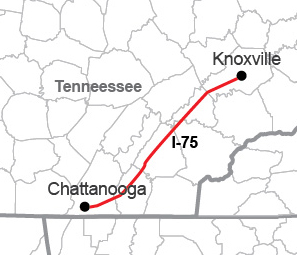 The Chattanooga Times Free Press discusses the state of the economy in Hamilton County. They have seen impressive new jobs (credit to the EPB Fiber network) but some existing companies have had to continue downsizing in the weak economy. From the article:
Chattanooga’s high-speed Internet service already is showing some promise. The Knoxville-based Claris Networks, a cloud-based IT provider, recently acquired two Chattanooga IT companies — SRC Technology and Allied IT — and has expanded the staff in its Freight Depot office downtown to eight employees. “Connectivity for us is about eight to 10 times cheaper in Chattanooga than it is in Knoxville and other cities,” said Dan Thompson, manager of advanced infrastructure service and product development for Claris. “We see a great potential for growth in Chattanooga.”Interestingly, Knoxville's public power utility had previously considered a public investment in a fiber network but decided against it. Not every publicly owned utility can duplicate EPB's success in Chattanooga, but most could if they gave it the effort demanded of perhaps the most important piece of the future economy: fast, affordable, and reliable access to the Internet. Chattanooga and other similar pioneers are incredibly open when others look to them for lessons. So places like Knoxville have a choice: sit back and watch as innovative industries move to innovative cities or invest in yourself.