Image


Fast, affordable Internet access for all.

Join us live on Thursday, September 22, at 4pm ET for the latest episode of the Connect This! Show. Co-hosts Christopher Mitchell (ILSR) and Travis Carter (USI Fiber) will be joined by regular guests Kim McKinley (UTOPIA Fiber) and Doug Dawson (CCG Consulting).

Join us live on Thursday, September 22, at 4pm ET for the latest episode of the Connect This! Show. Co-hosts Christopher Mitchell (ILSR) and Travis Carter (USI Fiber) will be joined by regular guests Kim McKinley (UTOPIA Fiber) and Doug Dawson (CCG Consulting).
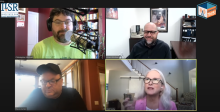
This episode, co-hosts Christopher and Travis Carter (CEO, US Internet) are joined by Deb Socia (President/CEO, The Enterprise Center), and Brian Worthen (President, Visionary Communications and CEO, Mammoth Networks) to talk about overbuilding
This is the transcript for Episode 281 of the Community Broadband Bits podcast. Will Rinehart of the American Action Forum in Washington D.C. discusses telecommunications and economics with our host Christopher Mitchell.
This is the transcript for episode 270 of the Community Broadband Bits podcast. Professor Barbara Cherry goes into detail on the history of common carriage and telecommunications law. Listen to this episode here.

Burlington Telecom has popped up on our radar before as one of those munis that goes the extra mile for the community. They’re at it again this holiday season as they pledge to help support local charities.