Image

Fast, affordable Internet access for all.
Time Warner tried to get a bill passed in the state legislature this year to prevent cities from offering broadband service. They claimed community networks create an un-fair playing field. Personally, if I ran a bezillion dollar company and a small town of 48,000 with no prior technology business expertise built a network 10 times faster than my best offering, I’d be embarrassed to be associated with the bill. If incumbents want to level the playing field, maybe they should outsource their engineering operations to Wilson.He revealed an upcoming list of ten smart broadband communities that has since been published here. This is a mixture of communities that have taken action to improve broadband - a variety of models and community types. Without detracting from this list, I want to note that some networks are missing important context. For instance, Wilson NC, lists an unimpressive number of subscribers currently, but the network is still being built and many who want to subscribe are not yet able to subscribe. Additionally, it would be nice to see the prices offered for each speed tier -- many of these networks keep higher speed tiers much more affordable than do traditional carriers. That said, many kudos to Craig for putting this list out there (he will be putting similar lists up in the near future). While on the subject of impressive community networks, NATOA has announced its community broadband awards. I am excited to see the city of Monticello recognized for its courage in responding to shady incumbent-led attacks and frivolous lawsuits -- primarily by TDS -- attempting to deny the community the right to build its own network. Though the other award recipients are also excellent, I want to congratulation MI-Connection for their award of Community Broadband Project of the Year. Years ago, I wrote an op-ed in favor of that network and I am glad to see it succeeding. MI-Connection was born after the demise of Adelphia Cable. Local towns bought the system and rehabilitated it, offering a publicly owned local alternative for broadband and cable. Image Credit: Domen Colja - Fotolia.com

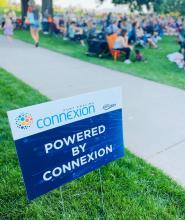

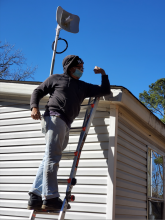
Historically, Enfield was known for its tobacco and peanuts. Today, there’s a new wave cresting in this small rural community in eastern North Carolina.
